
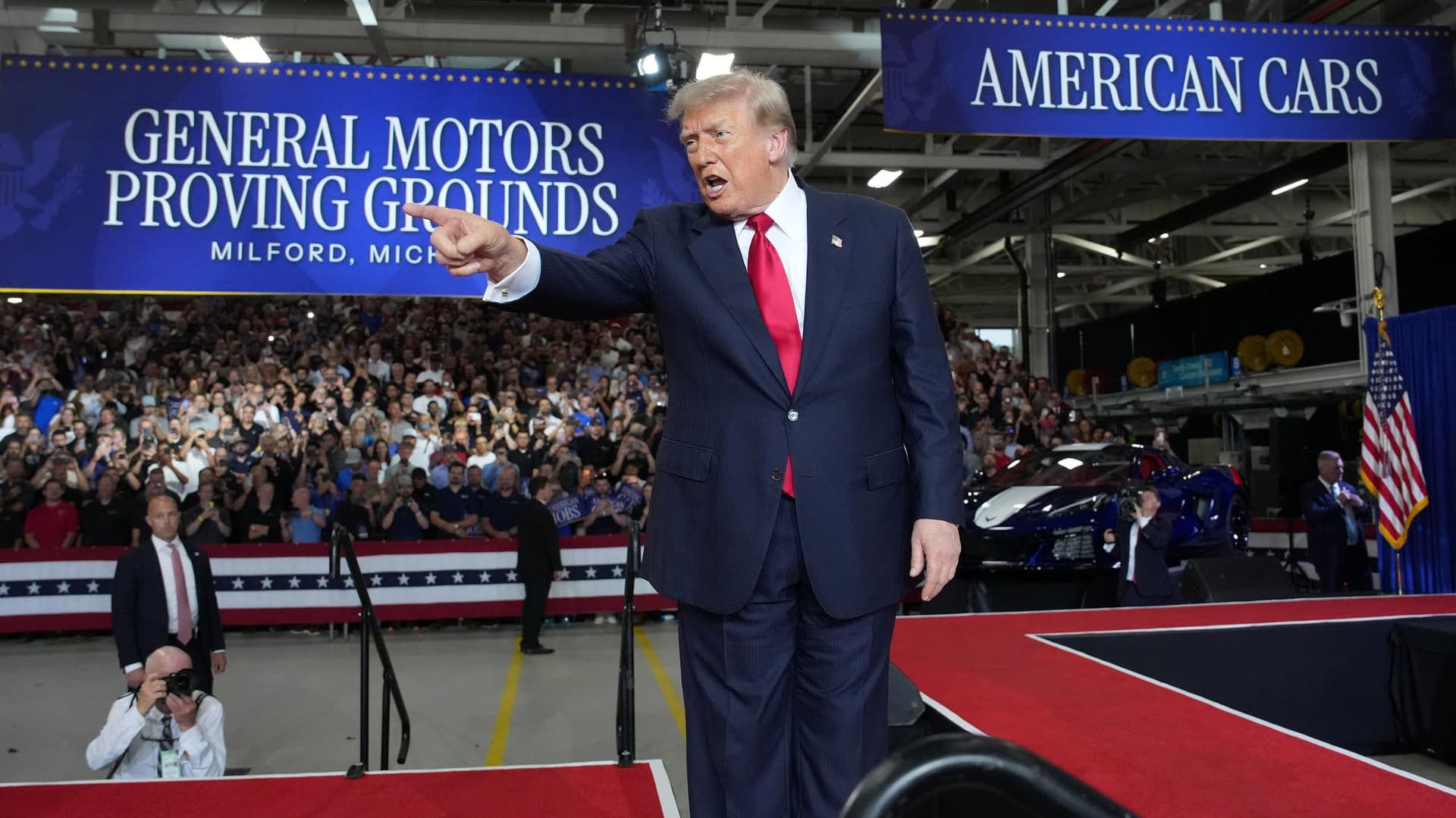
President Trump's aggressive trade policies were supposed to bring manufacturing jobs back to the U.S., but the reality is more nuanced. Since his second term began, the economy has lost 75,000 manufacturing jobs—a 0.6% decline, according to the Bureau of Labor Statistics.
The Tariff Effect
Economist Laura Veldkamp at Columbia Business School notes that tariffs have made it more profitable for American manufacturers to produce domestically, boosting manufacturing output by 1.1% over the past year. However, this hasn't translated into jobs because factories are increasingly automated.
Automation Over Employment
Mark Zandi, chief economist at Moody's Analytics, explains: "Manufacturing activity is very mechanized, automated. So even if you see a pickup in output, it doesn't translate into jobs, because these factories just don't employ a lot of people." This trend has been ongoing since the 1980s.
Auto Industry Struggles
The U.S. auto industry, a key focus of Trump's policies, has seen employment drop more than 2.5% since January 2025. Weak demand is a major factor, with average car prices hovering near $50,000, pricing out many consumers.
Glimmers of Hope
Some automakers are planning to onshore production, which could create jobs. David Whiston, a U.S. autos analyst at Morningstar, points to recent announcements by GM in Kansas and Tennessee, and Toyota in Texas.
While tariffs may boost output, the jobs of the past are unlikely to return at scale due to automation and high costs.



Comments
No comments yet
Be the first to share your thoughts and start the conversation!