Will AI-Powered Robots Steal Your Trade Job? The Shocking Truth About Physical AI
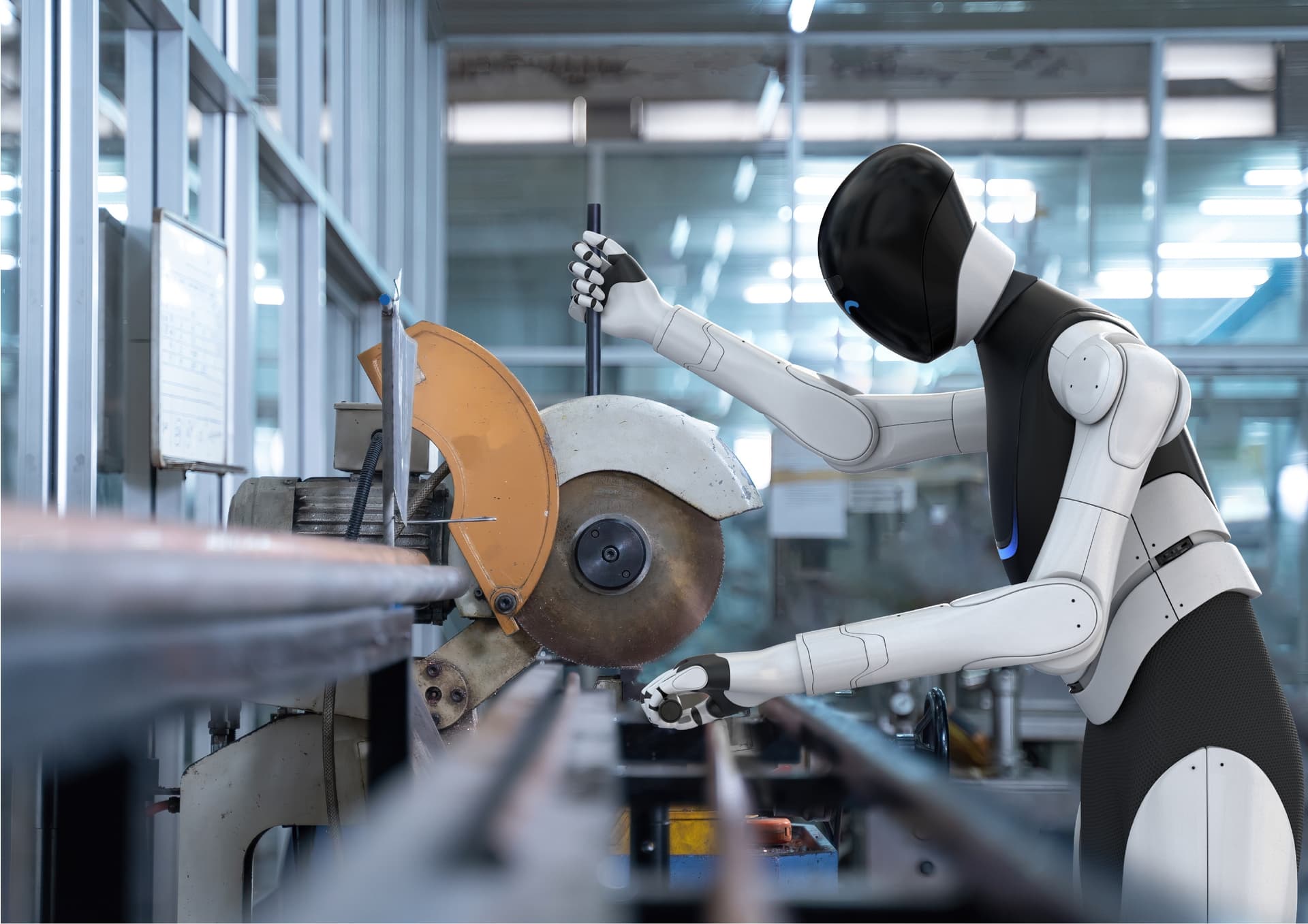
The Rise of Physical AI: A New Frontier in Job Displacement
The sudden boom in robotics and artificial intelligence is fueling widespread fear that soon, no jobs will be safe from displacement. While AI has already begun disrupting office roles by analyzing data and drafting documents, the next wave could target blue-collar jobs—a sector once considered secure due to AI's inability to perform physical labor.
Recent advancements in robotics suggest it's only a matter of time before AI-powered machines can repair pipes, operate bulldozers, and prepare food. This shift introduces a host of new policy challenges for lawmakers and unions to address.
"It's a whole other challenge on top of the large language models," said Dan Reynolds, assistant research director at the Communications Workers of America Union. "Having an automated system interacting with the real physical world is a separate mountain to climb."
The AI Industry's Rapid Move into Robotics
The ChatGPT moment for physical AI is here, declared Nvidia CEO Jensen Huang at CES last month. The AI industry is swiftly integrating technology into robotics, prompting unions representing trade workers to proactively address this "physical AI" trend. Their goal is to mitigate the disruptions already seen in white-collar industries like software development and finance.
However, preparing for labor displacement that hasn't yet occurred presents significant challenges. "Our concern right now is [AI robotics] is just moving too quickly," said David White, director of strategic resources at the International Association of Machinists and Aerospace Workers. "It makes it difficult to plan for how this is actually going to affect workers."
Union Strategies and Federal Initiatives
Unions are increasingly worried that current shifts in white-collar work could foreshadow impacts on jobs outside the office. "White collar work will probably be the first tranche, but every job across sectors will be impacted," stated AFL-CIO President Liz Shuler. In response, unions are pushing for AI bills in California, including provisions for advanced notices of AI-related job cuts to protect workers across various labor sectors.
On the federal level, Congress and the Trump administration are focusing on leveraging the AI boom to develop the robotics industry. A bipartisan House group recently unveiled a plan for a national robotics strategy, while Commerce Secretary Howard Lutnick has engaged with companies to foster industry growth. However, a nationwide shift to robotics could conflict with the administration's goal of boosting blue-collar manufacturing jobs.
Proactive Measures and Contract Negotiations
Union representatives are working to preemptively introduce protective language into labor contracts. For instance, the International Association of Machinists and Aerospace Workers is building a database of model AI contract language to advocate for in negotiations. These provisions include requirements for worker input during automation integration and retraining if technology leads to downsizing.
"If we are brought into the process earlier, we can help plan implementation that enhances people's jobs instead of having deteriorating effects on them," explained White.
The Realistic Timeline for AI Robotics
A key challenge in these negotiations is the uncertainty surrounding when companies will fully adopt physical AI. "We've been hearing for at least 15 years that we're going to have driverless trucks next year," noted Matt McQuaid, media coordinator for the International Brotherhood of Teamsters. "There's a lot of overpromising and underdelivering in the tech industry."
How realistic is this fear? According to research firm Challenger, Gray & Christmas, companies cited AI in layoff announcements for over 50,000 jobs last year, with the government and technology sectors hit hardest. However, there is debate over whether employers are using AI as an excuse to cut workforces. A recent MIT study found that AI has led to a greater reduction in roles involving analysis and information processing, particularly in business, finance, and engineering.
Technical Hurdles and Future Predictions
Developing AI robotics is more complex than programming a chatbot. Darren Kimura, CEO of AISquared, highlighted that several major breakthroughs are needed before jobs requiring manual labor are threatened. "For robots to be able to do things like wire your house or plumb things or fix a motor, it has to take into account sensors for heat, vibration, sound, smell," he said.
Kimura predicts it could take nearly a decade for researchers to achieve such innovations, giving unions time to develop their plans. In the meantime, he argues that manual work will become more valuable. "The skilled trades work—you can't replace that with a robot, at least certainly not anytime soon," he told DFD. "Frankly, there's going to be more of those types of roles needed."
Additional Developments in AI Policy
- White House Office of Science and Technology Policy Director Michael Kratsios will lead a U.S. delegation to the AI Impact Summit in India later this month. The summit will provide an update on Trump's America AI Exports program, aimed at promoting U.S. tech globally.
- Several online safety groups are criticizing OpenAI's chatbot ballot initiative in California, arguing it could exempt AI companies from existing consumer protection laws. Common Sense Media, however, supports the initiative, calling it the "most comprehensive youth AI safety law in the country."
Related Tech News
- How Olympic snowboarders are using AI to refine their jumps.
- Hackers publish personal data stolen during Harvard and Penn data breaches.
- Telegram accuses Spain of using social media rules to censor critics.
- Jeffrey Epstein joined tech leaders in making major crypto investments.
- Senate report accuses the administration of "destroying medical research."
- #ai
- #robotics
- #automation
- #jobs
- #unions
Comments · 0