The AI Backlash Is Exploding: Why the Tech Industry Can't Keep Up
The initial wonder of AI has curdled into anger, anxiety, and organized opposition. Three and a half years after ChatGPT's launch, the AI backlash is only getting started, with externalities growing faster than the industry can address them.
The Data Center Revolt
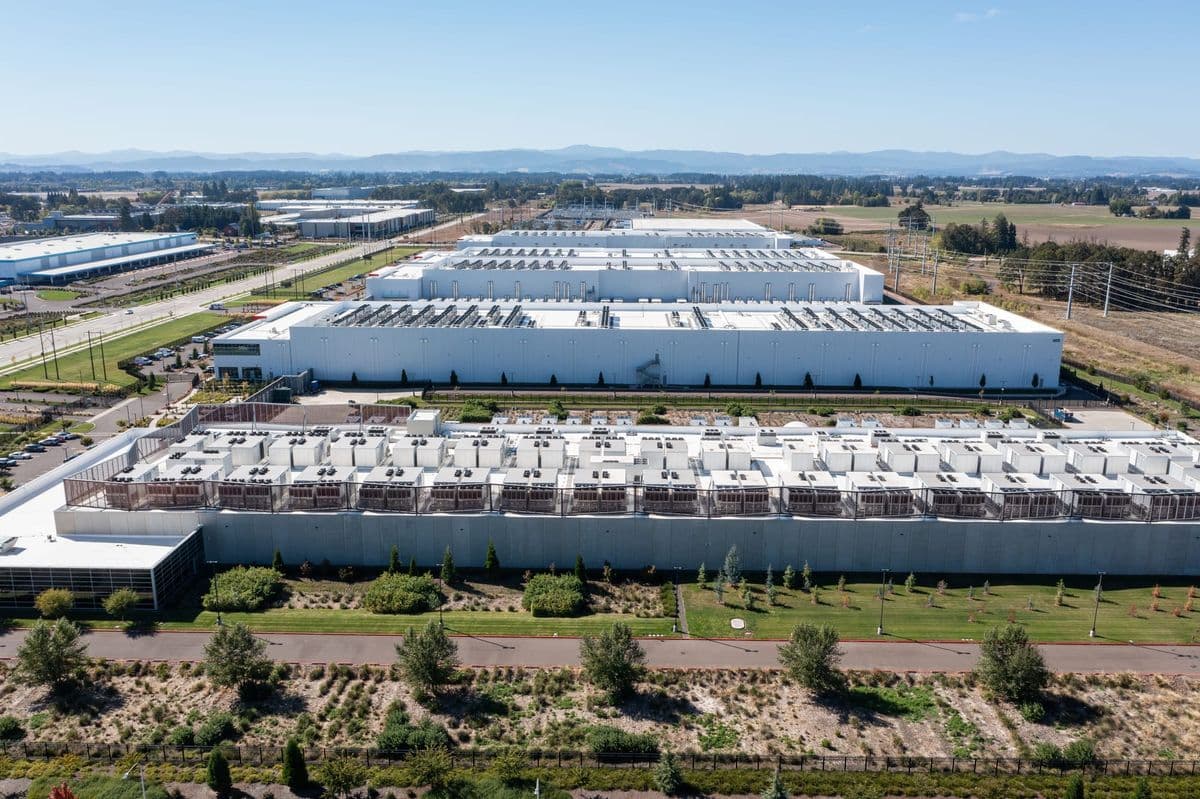
71% of Americans oppose having a data center built in their area—more than oppose nuclear power plants. In Q1 2026 alone, opposition delayed or blocked 75 US data center projects worth $130 billion. Organized opposition groups doubled to 833 across 49 states.
Beyond NIMBYism, there are legitimate concerns: electricity bill hikes for local ratepayers, tax breaks reducing government funding, greenhouse gas emissions, and infrasonic vibrations causing chronic sleep deprivation and anxiety.
The Job Threat Becomes Real
While there's no AI jobs crisis yet (unemployment at 4.3%), warning signs are flashing. AI is now the leading reason for job cuts in tech. New Stanford research across 4.6 million workers found that among workers aged 22-25 in AI-exposed jobs, employment is shrinking by 3.8% a year.
Nearly two-thirds of Americans believe AI will lead to fewer jobs over the next 20 years. Only 5% expect more jobs.
AI-Powered Inflation Hits Everyone
The AI infrastructure buildout is swallowing up memory and storage chips, driving up prices. Apple has raised MacBook and iPad prices by up to 25%. Microsoft raised Xbox prices by $100-$150. Valve's cheapest Steam Machine now starts at $1,049. The memory supply crunch could last through 2027, with software and accessory costs already up 15%.
Industry Response Falling Short
Tech giants are offering to pay for electricity rate hikes, covering infrastructure costs, and spending millions on workforce retraining. But externalities are growing faster than their plans. Sam Altman's op-ed calling for international AI governance rings hollow when the current benefits seem elusive.
Regulatory Chaos
The US Commerce Department lifted restrictions on Anthropic's Claude Fable 5 after a temporary ban due to a jailbreak concern. But the opaque process highlights the lack of a clear framework for AI safety. Every AI company now faces regulatory uncertainty.
The bottom line: Unless the industry starts paying its share of the costs, today's backlash will seem quaint compared to what's coming.
- #aibacklash
- #datacenters
- #aijobs
- #airegulation
- #techindustry
Comments · 0