Quantum Computing Breakthrough: How a $550M Yale Startup Sale is Creating High-Tech Jobs in New Haven

Quantum Computing's New Haven Boom
Connecticut's quantum sector is experiencing a major breakthrough, thanks to a Yale startup that has become a cornerstone of the region's tech ecosystem. The recent $550 million sale of Quantum Circuits Inc. to tech innovator D-Wave is not just a financial milestone—it's a catalyst for job creation and technological advancement in New Haven.
The Deal That's Changing the Game
Quantum Circuits Inc., which builds quantum computers using a unique approach developed by Yale researchers over two decades, was acquired by D-Wave in a landmark deal. This acquisition includes plans to double the company's current 65-person workforce in New Haven and provide additional resources to scale production of quantum computers using Yale's proprietary technology.
"It's time for us to push down on the accelerator," said Quantum Circuits co-founder Robert Schoelkopf, a Sterling Professor of Applied Physics at Yale. "This is going to be good for New Haven, the state, Yale, and the entire quantum infrastructure."
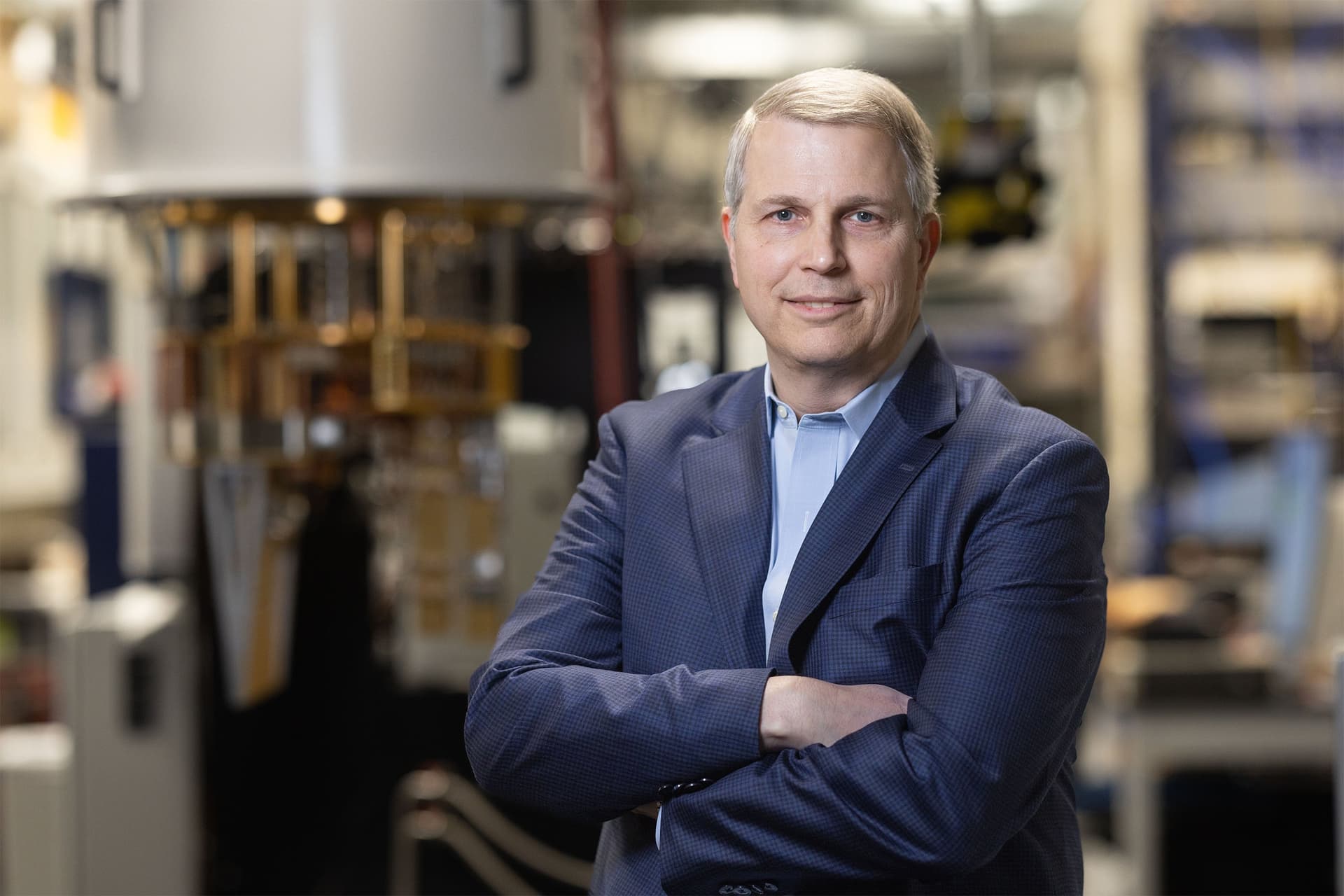 Robert Schoelkopf, co-founder of Quantum Circuits Inc. Photo by Dan Renzetti
Why Quantum Computing Matters
Quantum computing aims to complement traditional computers by leveraging principles of quantum physics. At its core are qubits—quantum bits that can exist in multiple states simultaneously, enabling computations impossible for classical computers. This technology has potential applications across finance, manufacturing, pharmaceuticals, and countless other industries.
"This moment underscores Yale's long-standing commitment to advancing quantum research and translating it into real-world impact," said Mike Crair, vice provost for research at Yale. "As quantum stands to influence nearly every aspect of the nation's economy and scientific discovery, Yale is proud to support cutting-edge faculty research."
Connecticut's Quantum Investment
The state is backing this momentum with significant investments. In November, Connecticut Governor Ned Lamont pledged $121 million toward quantum technology, including support for QuantumCT—a nonprofit co-led by UConn and Yale—and a first-of-its-kind quantum incubator in New Haven. QuantumCT focuses on research, innovation, and workforce development, aiming to expand the state's capacity in aerospace, defense, pharmaceuticals, and other key sectors.
From Lab to Market: The Yale Approach
Quantum Circuits emerged from Yale's pioneering work in quantum computing with superconducting circuits, which began in the early 2000s. The company was founded in 2015 by Schoelkopf, recent Nobel laureate Michel Devoret, and Luigi Frunzio, a senior research scientist at Yale Engineering. Their approach focuses on building better qubits rather than simply adding more, creating a more robust and cost-effective system.
"We weren't seeing people picking up on our vision, particularly in error correction," Schoelkopf explained. "We finally decided that maybe the only way we could get our work out there was to do the tech transfer ourselves and start a company."
In 2019, Quantum Circuits opened a 6,000-square-foot lab and manufacturing facility in New Haven, raising $90 million in venture capital before the D-Wave acquisition.
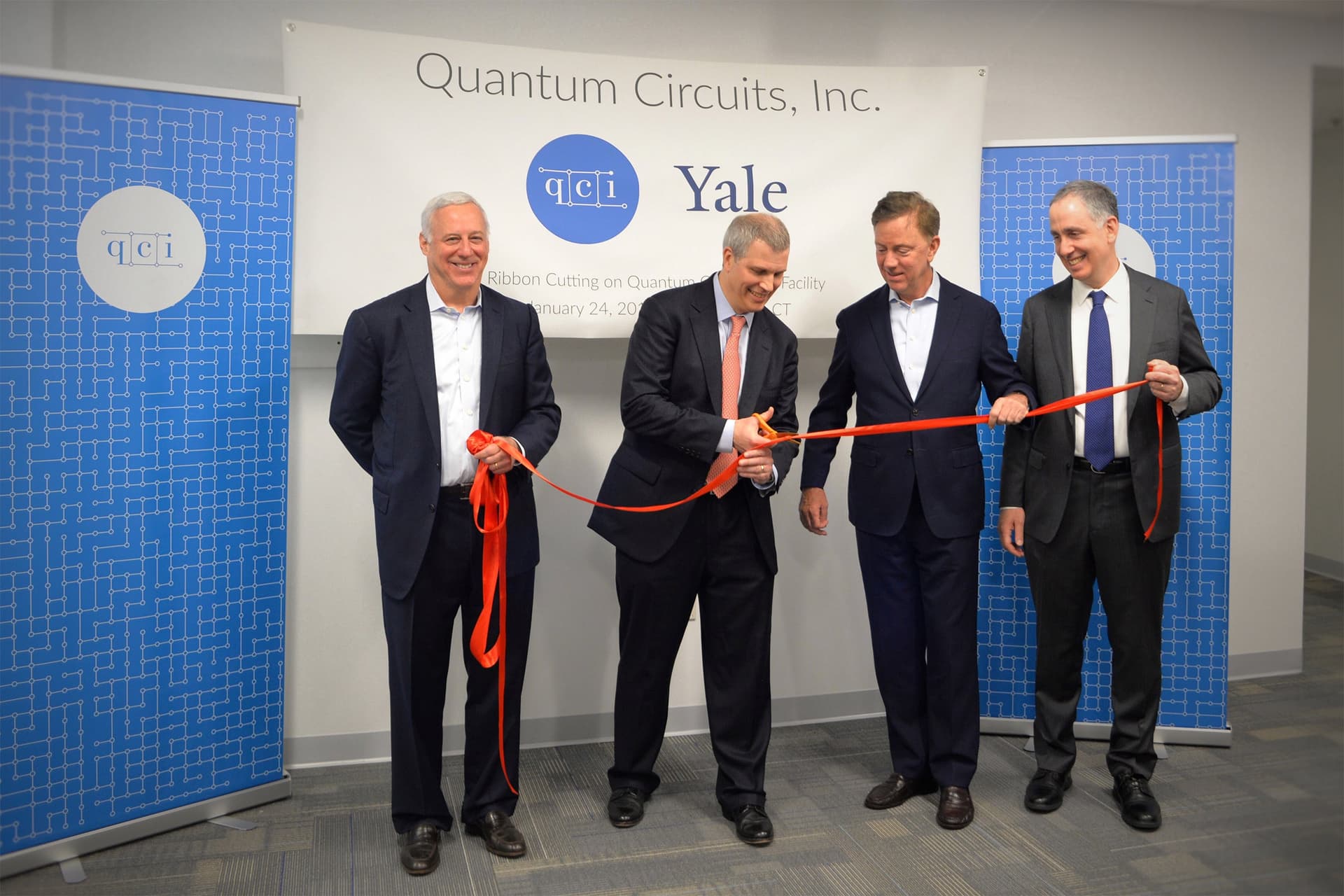 The Jan. 24, 2019 ribbon cutting ceremony for Quantum Circuits' New Haven lab. Photo credit: Laura St John/QCI
Accelerating Commercial Viability
"I am incredibly proud of the Quantum Circuits team and the years of innovation that led to our breakthrough in hardware-integrated error correction," said Ray Smets, CEO of Quantum Circuits. "By joining forces with D-Wave, we are accelerating the roadmap to commercially viable gate-model quantum computers."
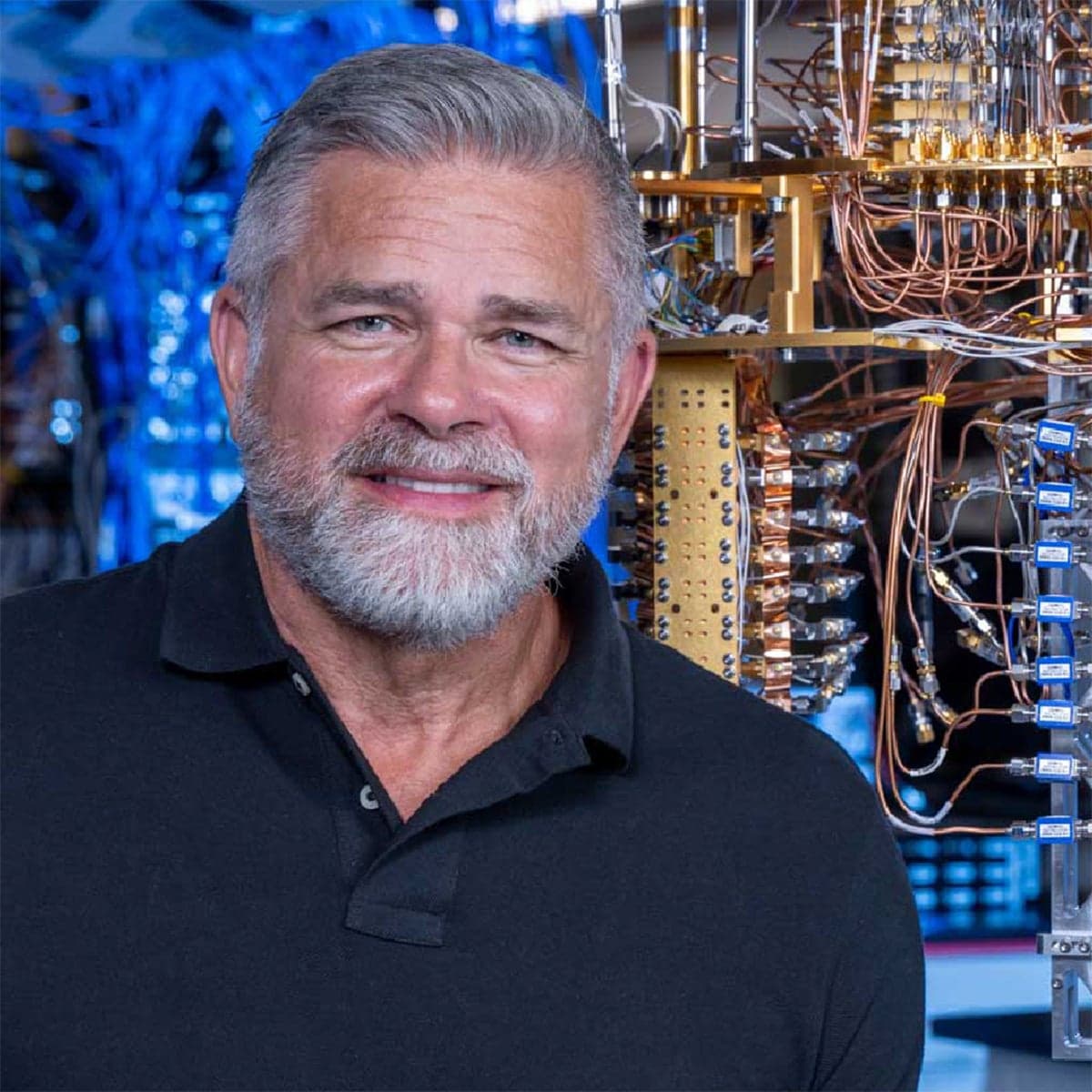 Ray Smets, CEO of Quantum Circuits. Photo courtesy of QCI
A Model for Tech Transfer
The success of Quantum Circuits highlights Yale's commitment to translating research into real-world impact. "The success of Quantum Circuits testifies powerfully to Yale's strength in quantum science and engineering, and to the ambition and ingenuity of our faculty," said Jeffrey Brock, dean of Yale Engineering. "Yale Engineering is investing in this kind of lab-to-impact technology transfer, and Rob Schoelkopf's triumph proves those investments can be catalytic for New Haven and for society."
Schoelkopf will take a one-year leave from Yale to support D-Wave's expansion in New Haven before returning to his faculty role. "We need to make it easier for folks with ideas to get launched and build up this economy," he said.
This development positions New Haven as a growing hub for quantum innovation, creating high-skill jobs and attracting global talent and investment to Connecticut's tech ecosystem.
- #quantumcomputing
- #techjobs
- #startup
- #yale
- #innovation
Comments · 0