
OpenAI has agreed to pay $3.2 million to settle allegations by the U.S. Department of Justice (DOJ) that it illegally discriminated against U.S. workers by favoring temporary visa holders in its hiring for certain tech positions.
The settlement resolves claims that OpenAI and its subsidiary, Statsig Inc., violated the Immigration and Nationality Act (INA) while recruiting through the Permanent Labor Certification (PERM) program. The DOJ alleged the companies discouraged qualified U.S. workers from applying while recruiting foreign workers for permanent residency sponsorship.
DOJ Says OpenAI Favored Temporary Visa Holders
The Justice Department's Civil Rights Division found that OpenAI failed to give U.S. workers a fair opportunity to apply for PERM-related positions. Specifically, the company did not post these jobs on its public careers website, despite advertising other openings online. Additionally, applicants for PERM positions were required to submit paper applications by mail, while electronic applications were accepted for other roles.
The DOJ also alleged that OpenAI used recruitment methods that discouraged U.S. applicants, including airing radio ads late at night. Although fewer than 10 positions were involved, the practices prevented qualified U.S. workers from competing for highly paid technology jobs.
"It is illegal to discriminate against U.S. workers by preferring temporary visa holders for jobs," said Assistant Attorney General Harmeet K. Dhillon. "This substantial settlement ensures that OpenAI redresses harm and changes its recruitment practices so that U.S. workers receive a fair opportunity for highly sought-after technology positions."
What OpenAI Must Do Under the Settlement
Under the agreement, OpenAI will pay:
- $1.2 million in civil penalties to the U.S. government.
- $2 million into a back-pay fund to compensate eligible victims of the alleged discriminatory practices.
The settlement also requires OpenAI to change its hiring procedures for future PERM recruitment, including:
- Posting PERM positions on its public careers website.
- Accepting electronic job applications.
- Revising employment and recruitment policies.
- Training employees on federal anti-discrimination laws.
- Complying with DOJ monitoring and reporting requirements.
The settlement resolves the government's allegations and is not a finding of liability by a court.
What Is the PERM Program?
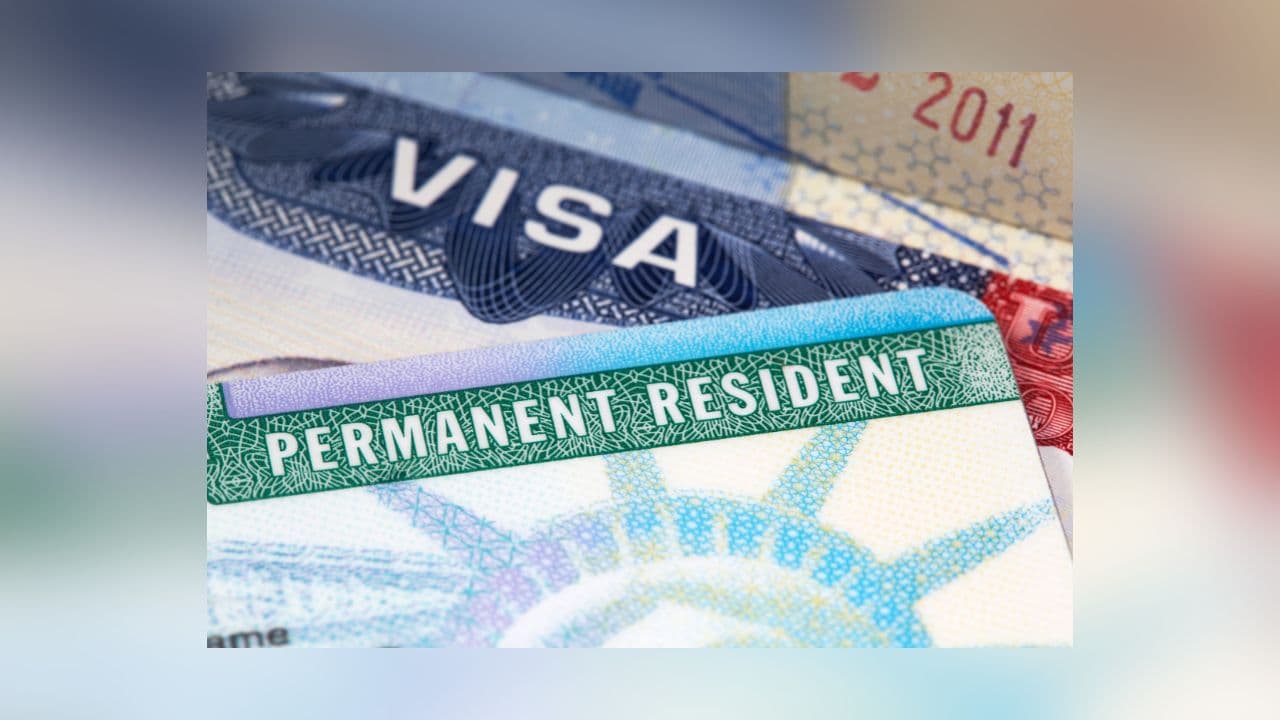
The Permanent Labor Certification (PERM) program allows U.S. employers to sponsor foreign workers for lawful permanent resident status (green cards). Employers must demonstrate they made a good-faith effort to recruit qualified U.S. workers and were unable to fill the position domestically. Federal law prohibits discrimination against U.S. workers based on citizenship status during this process.
Part of DOJ's Protecting U.S. Workers Initiative
This settlement is the 13th reached since the DOJ relaunched its Protecting U.S. Workers Initiative in 2025. The initiative enforces the INA's prohibition against citizenship-status discrimination and seeks civil penalties, back pay for affected workers, and changes to employers' hiring practices. The DOJ continues to pursue employers that unlawfully favor temporary visa holders over qualified U.S. workers.




Comments
No comments yet
Be the first to share your thoughts and start the conversation!