
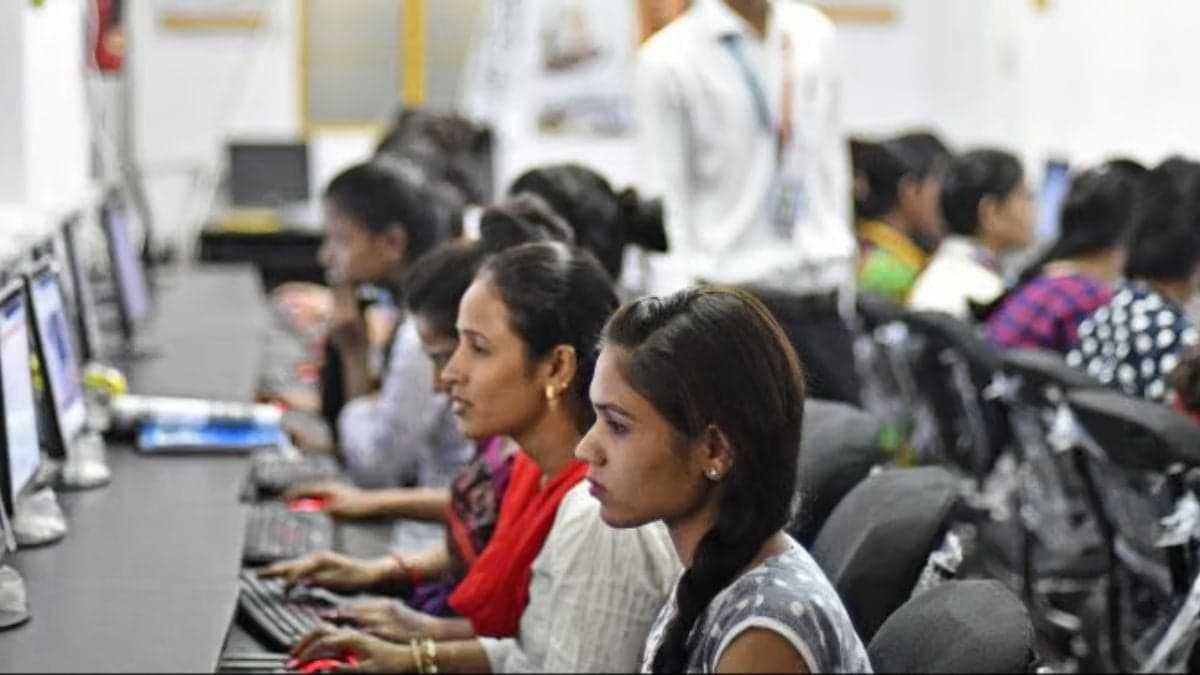
Millions of young adults may face a jolt of reality this summer as they step off the college graduation stage and into the job market. The unemployment rate for recent college graduates is 5.6%, notably higher than the overall rate of 4.2%, according to New York Federal Reserve data. As recently as four years ago, the rates were nearly identical.
Some tech leaders warn that AI could decimate low-level positions. Anthropic CEO Dario Amodei said AI could cut U.S. entry-level jobs in half by 2030. But analysts disagree about whether AI is the main culprit.
The Case for AI's Impact
A Stanford University study found that early-career workers (ages 22-25) in AI-vulnerable occupations like customer service and software development suffered a 16% decline in employment relative to experienced workers. The decline appeared after ChatGPT's release in late 2022.
Laura Ullrich of Indeed notes that the effects are sector-specific: a nursing degree leads to quick hiring in AI-immune healthcare, but a computer programming degree may lead to a long search.
The Counterargument
Some analysts point to a "low hire, low fire" labor market. The hiring rate is 3.5% as of March, down from 4.4% four years ago. Jed Kolko of the Peterson Institute disputes the Stanford findings, calling the research "collectively inconclusive" due to inconsistent definitions of AI-vulnerable jobs.
What's Next?
Many graduates are still finding jobs, but the implications of AI will continue to draw scrutiny. As Ullrich says, "We don't know what the path forward will be."



Comments
No comments yet
Be the first to share your thoughts and start the conversation!